Graphs
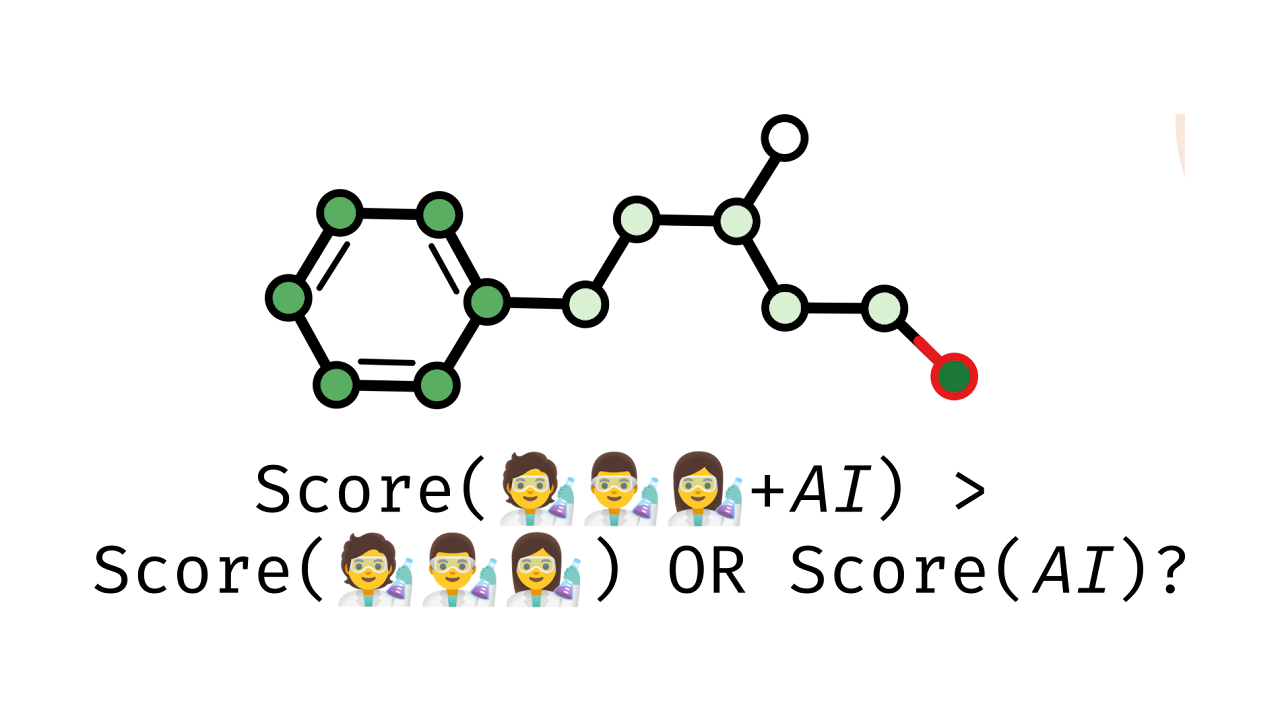
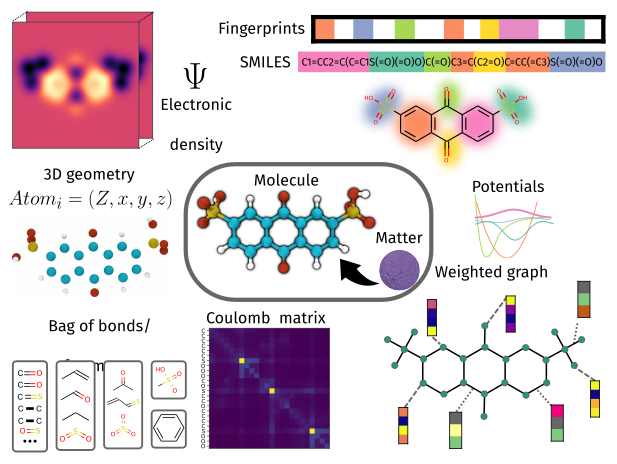
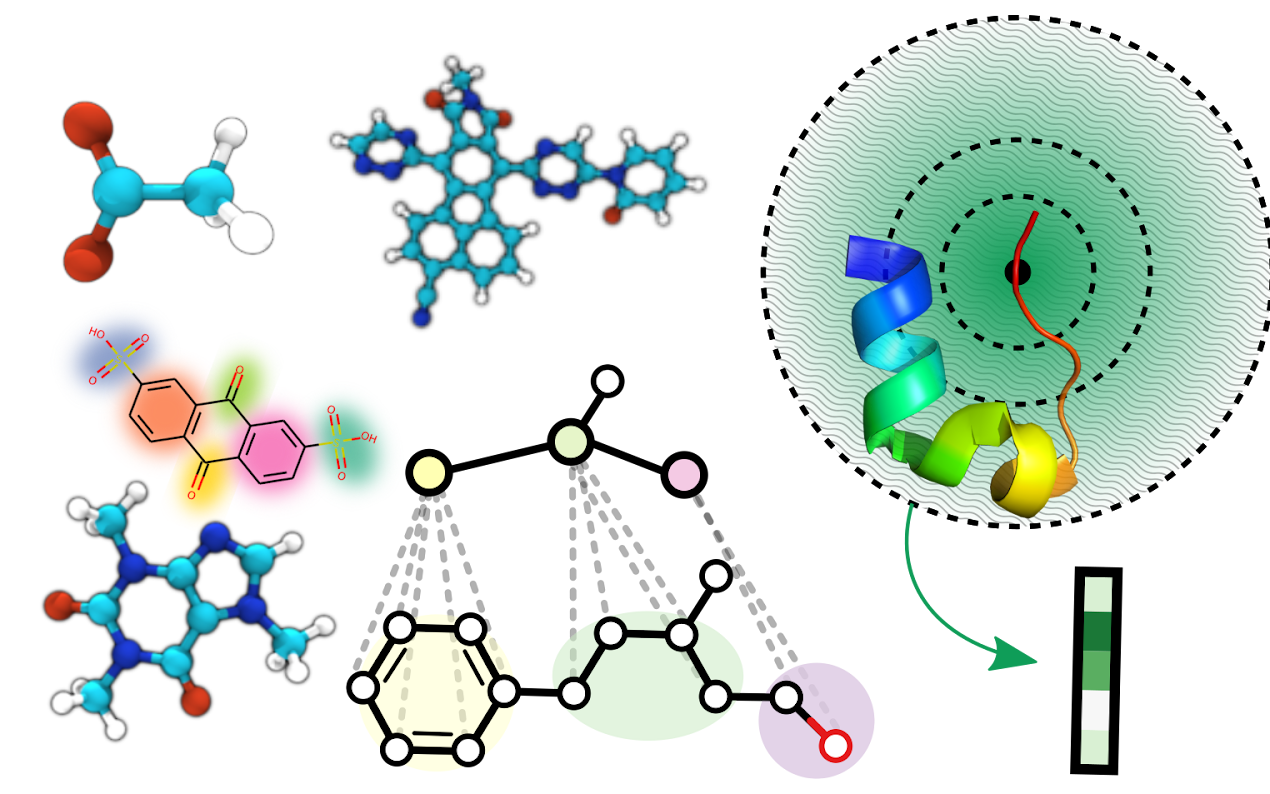
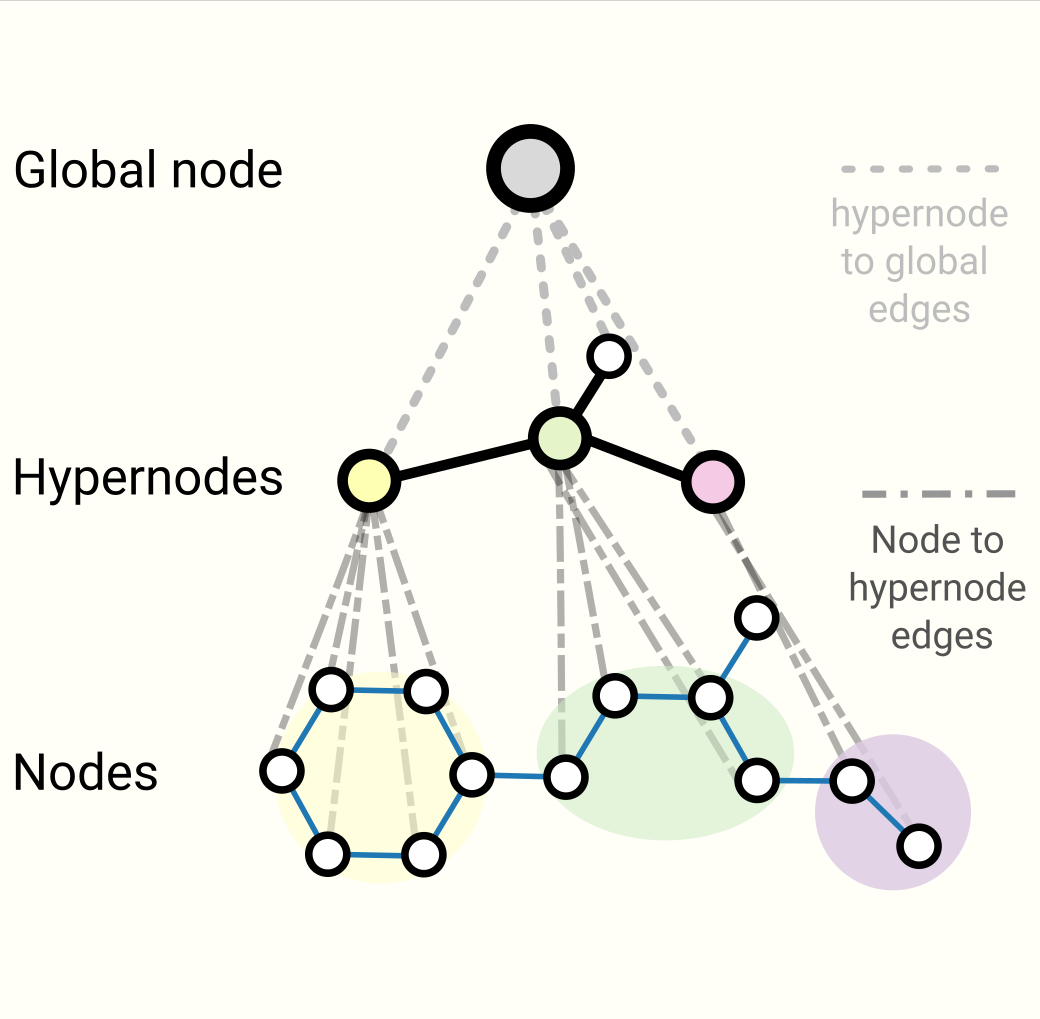
Whenever we care about how things relate, graphs are a natural language: objects become nodes and relationships become edges. Chemistry is full of relationships at every scale, from atoms bonding into molecules to enzymes, metabolic networks and even tequila production. How you set up the graph often decides whether a model succeeds, because it encodes the right priors. We study these choices and how to build them into graph neural networks and transformers alike.
- • kinGEMs: A scalable framework for resource-constrained models through stochastic tuning of deep learning-predicted kinetic parameters
- • Gradient-based optimization of complex nanoparticle heterostructures enabled by deep learning on heterogeneous graphs
- • TubercuProbe: A cross-attention graph-sequence model for cross-species chemoproteomic discovery in Mycobacterium tuberculosis